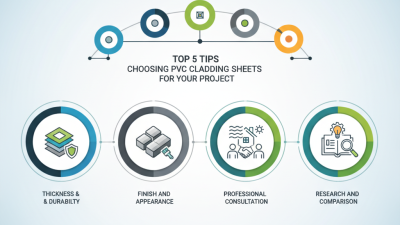
Top 5 Tips for Choosing PVC Cladding Sheets for Your Projects?
When choosing materials for your project, selecting the right PVC cladding sheets is crucial. These sheets provide a blend of durability and aesthetic appeal. They are lightweight and resistant to moisture, making them ideal for various applications. However, the abundance of options can be overwhelming.
Understanding what to look for is essential. Quality varies greatly among manufacturers. You may find some sheets that claim to be durable but fail under pressure. Take the time to research reputable brands known for their reliability. User reviews can also guide you in making informed decisions.
Pvc cladding sheets offer flexibility for both indoor and outdoor use. Their designs can cater to various architectural styles. Nevertheless, not all sheets are created equal. Poor-quality options might lead to problems down the line, such as warping or fading. It’s important to balance cost and quality to ensure your project’s success.
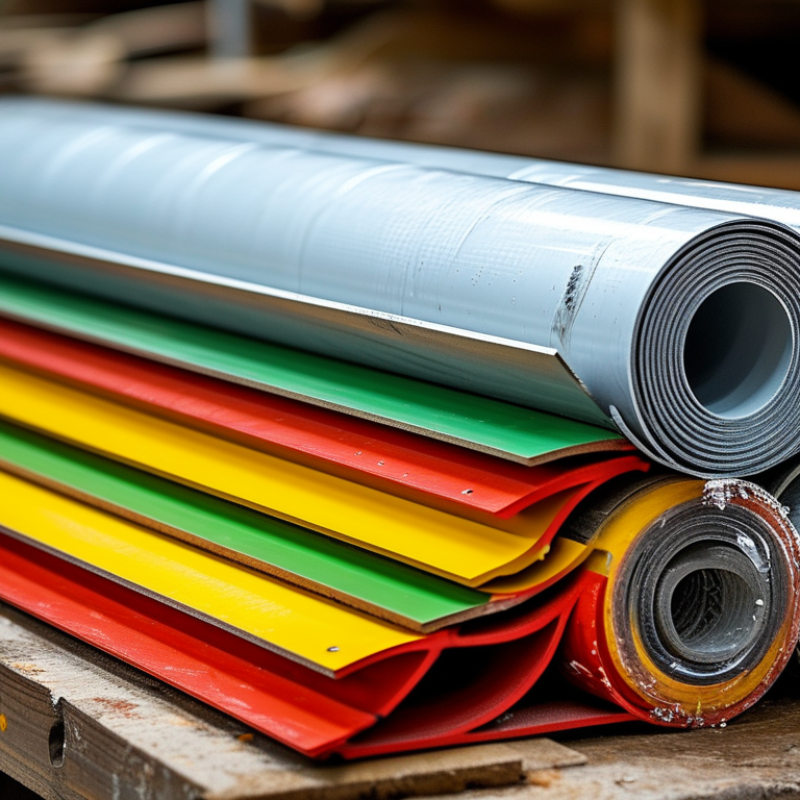
Understanding the Benefits of PVC Cladding Sheets for Your Projects
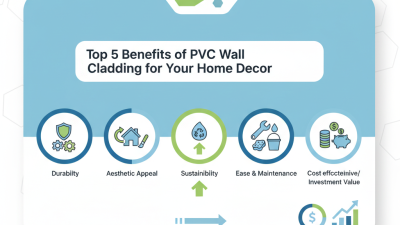
PVC cladding sheets offer numerous advantages for various construction projects. They are lightweight and easy to install, which can significantly reduce labor costs. According to the Building Industry Association, projects using PVC cladding can see a reduction in installation time by up to 30%. This efficiency can be a game-changer for builders and contractors, allowing for quicker project completions.
Additionally, PVC cladding is resistant to moisture, mold, and pests. A report by the National Association of Home Builders highlighted that moisture resistance alone can increase the lifespan of building materials by 20 years. This durability makes PVC cladding a smart investment for long-term use. In regions with heavy rainfall or high humidity, this is especially advantageous.
Color retention is another benefit of PVC cladding sheets. They can maintain their appearance without fading for years. Yet, while PVC is durable, it's important to assess the quality of the material. Some cheaper options may not provide the same level of resistance and performance. Edge cases exist where poor installation or low-quality products could lead to problems later. Investing in quality materials pays off in the long run.
Assessing the Durability and Weather Resistance of PVC Materials
When evaluating the durability of PVC cladding sheets, it’s essential to understand their resistance to weather elements. Research indicates that quality PVC materials can withstand harsh climates, maintaining their integrity for over 25 years. In contrast, inferior products may not endure even a fraction of that time. This discrepancy impacts the longevity of your projects significantly.
Weather resistance is not solely about UV protection. Studies show that environments with extreme humidity can also compromise materials. PVC cladding should ideally feature a high resistance to mold and mildew, which is critical for areas prone to moisture. Data from industry analyses reveal that materials with advanced formulations can decrease mold growth rates by up to 50%.
Additionally, the structural integrity of PVC under various thermal conditions merits consideration. Temperature fluctuations can cause expansion and contraction, leading to warping or cracking. Higher quality PVC sheets manage these changes better. They remain stable across a range of temperatures, providing long-term reliability. Yet, not all products perform equally well, and it's vital to assess performance claims critically. Always request specific test results when making purchasing decisions.
Evaluating Aesthetic Options: Colors and Textures of PVC Cladding
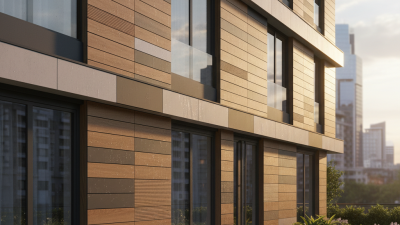
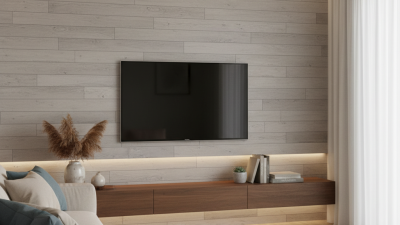
When selecting PVC cladding sheets, considering colors and textures is crucial. Various finishes can dramatically transform a space. For instance, a smooth, glossy surface may suit modern interiors, while textured options evoke a more rustic ambiance. Brighter colors can energize a room, while muted tones promote tranquility. The choice often reflects personal style but can also complement existing decor.
It's essential to visualize how different options will look in your space. Sometimes, the colors in samples may appear differently on a larger scale. Lighting also plays a significant role. A color that seems vibrant in daylight may look dull under artificial lights. Experimenting with samples in various settings can reveal unexpected outcomes.
Moreover, the texture impacts not just aesthetics but also functionality. A textured surface may hide imperfections or fingerprints better than a smooth finish. However, high textures can accumulate dust and require more upkeep. Balancing beauty with practicality is key. Personal preference matters, but considering your specific environment and needs leads to a more satisfactory choice.
Comparing Cost Factors: Budgeting for PVC Cladding in Construction
When budgeting for PVC cladding in construction, several cost factors come into play. According to industry reports, the average price range for PVC cladding sheets is between $1.50 to $3.50 per square foot. This variance depends on quality, thickness, and finish. Contractors must analyze these elements to make informed purchasing decisions.
Labor costs can significantly impact the overall budget. Installation of PVC cladding generally requires skilled labor, often adding $2 to $4 per square foot to project costs. It’s essential to consider these figures. If the installation is not done properly, long-term expenses may arise due to damages or repairs, raising concerns about the initial savings.
Unexpected costs can also emerge in construction projects. Factors such as site preparation, waste management, and transportation can contribute to the final price. An oversight in budgeting these aspects may lead to financial strain. It reminds contractors that a comprehensive cost analysis is vital. By understanding all components, they can avoid budget overruns and ensure project success.
Installation Considerations: Best Practices for Using PVC Cladding Sheets
When considering PVC cladding sheets, installation practices play a critical role. Ensuring proper alignment is essential for both aesthetics and performance. A recent industry report indicated that misaligned panels can lead to water infiltration, which compromises the material's durability. Therefore, careful measurement during installation is crucial. Using a level and reference lines helps establish a straight installation, avoiding potential issues later.
Another important aspect is temperature control. PVC materials can expand and contract with temperature changes. This might cause warping or buckling if not accounted for during installation. Experts suggest leaving a small gap at the edges for expansion. This proactive approach not only enhances longevity but also maintains visual integrity.
Lastly, securing panels correctly is vital. Many installers overlook the spacing of screws or fasteners, leading to insufficient support. The ideal screw placement is about 30 cm apart, ensuring the sheets remain firmly in place while accounting for expansion. Regular inspections post-installation can help identify any emerging issues and maintain overall performance, reflecting the need for an ongoing commitment to quality in project management.