What is Plastic Cladding Sheets and How Are They Used?
Plastic Cladding Sheets have become increasingly popular in construction and design. These versatile materials provide both aesthetic appeal and functional benefits. According to industry expert Dr. Emily Carter, “Plastic Cladding Sheets are transforming the way we think about building facades.” Dr. Carter's insight highlights the innovative nature of these sheets, emphasizing their significance in modern architecture.
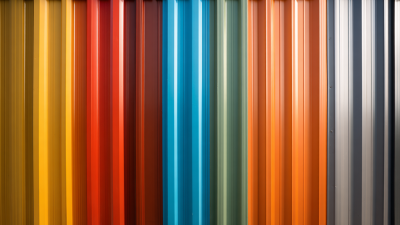
With options ranging from polycarbonate to PVC, Plastic Cladding Sheets come in various colors and finishes. This diversity makes them suitable for residential, commercial, and industrial applications. Their lightweight nature simplifies installation, yet they offer excellent durability against harsh weather conditions. Designers appreciate how these sheets can mimic traditional materials while providing a contemporary twist.
However, not all Plastic Cladding Sheets are created equal. Quality can vary significantly, and poor choices may lead to issues like fading or warping. It’s essential to consider the specific needs of a project when selecting these materials. Engaging with experienced professionals can help mitigate these risks. Ultimately, understanding the nuances of Plastic Cladding Sheets is crucial for making informed decisions in design and construction.

Definition and Composition of Plastic Cladding Sheets
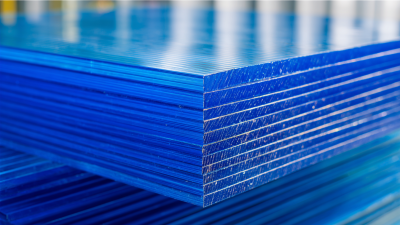
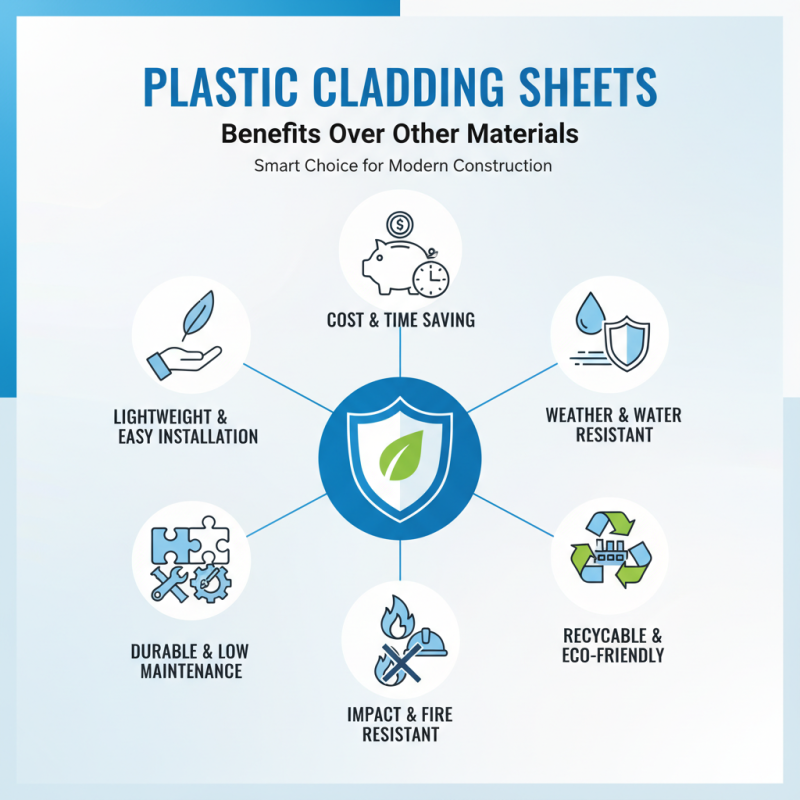
Plastic cladding sheets are versatile materials commonly used in construction and design. They consist primarily of polymers, such as PVC or polycarbonate. These sheets provide a protective layer to various surfaces, enhancing durability. Their lightweight nature makes them easy to handle and install, reducing labor costs.
The composition of plastic cladding sheets influences their properties. Additives may enhance UV resistance or improve insulation. Many sheets have a glossy finish, giving them an aesthetically pleasing look. However, some sheets can be prone to scratching. Regular maintenance is required to keep their appearance intact.
Despite their benefits, plastic cladding sheets are not without issues. They can warp under extreme heat. This limitation requires careful consideration during installation. Selecting the right type for specific applications is crucial. Understanding the environment and potential stressors can lead to better outcomes. Ultimately, knowledge about materials fosters informed choices in design and construction.
Usage of Plastic Cladding Sheets Across Different Industries
This chart illustrates the percentage usage of plastic cladding sheets across various industries. As shown, the construction industry utilizes the highest percentage of these sheets, while the automotive and packaging sectors follow behind.
Types of Plastic Cladding Sheets and Their Characteristics
Plastic cladding sheets come in various types, each with unique characteristics.
Polyvinyl chloride (PVC) sheets are popular for their durability and weather resistance.
They can withstand harsh conditions, making them suitable for outdoor applications. PVC sheets are lightweight and easy to install,
though they may not be as aesthetically pleasing as other materials.
Polycarbonate sheets offer superior strength and impact resistance.
These sheets can be clear or colored, providing versatility for design. They are often used in commercial and residential settings.
However, polycarbonate may be more expensive than PVC.
Acrylic sheets are also a choice for cladding.
They provide excellent clarity and UV resistance, which makes them ideal for areas with high sunlight exposure.
Despite their benefits, acrylic sheets can scratch easily, requiring careful maintenance.
Each type of plastic cladding sheet has its pros and cons. Choosing the right material depends on the project’s requirements.
For instance, while PVC is affordable, it may not offer the same premium look as acrylic.
Balancing cost and aesthetics is often a challenge for builders and designers. It's worth exploring each option thoroughly before making a final decision.
Common Applications of Plastic Cladding Sheets in Various Industries
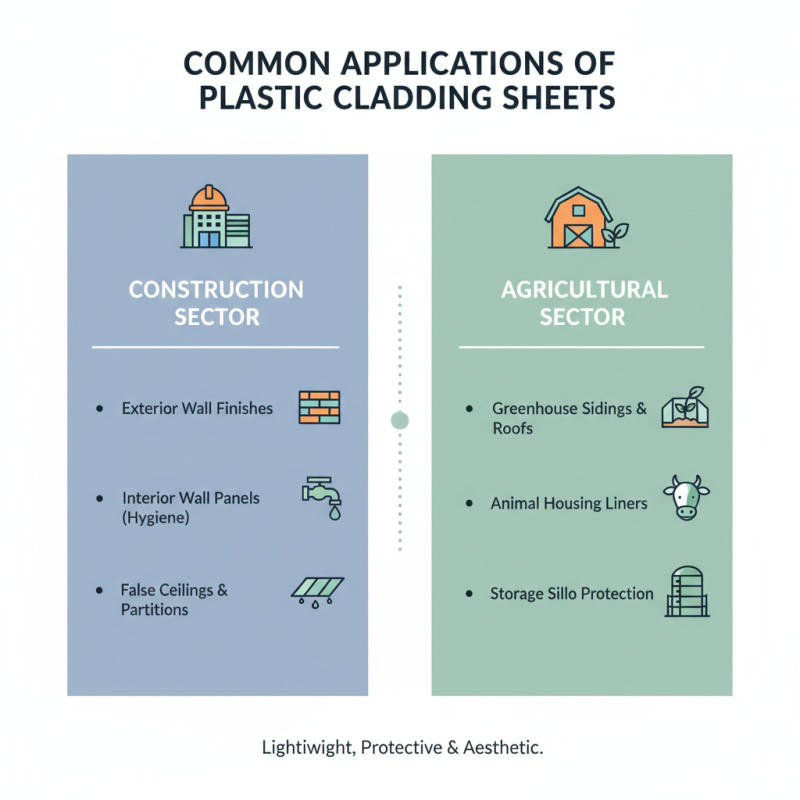
Plastic cladding sheets are versatile materials used across various industries. They provide essential protection and aesthetic value. Their lightweight nature makes them suitable for numerous applications, including construction and agricultural sectors.
In construction, plastic cladding sheets are often used for building facades. They offer durability against weather elements. These sheets are also easy to install, reducing labor costs. However, some may question their long-term durability in harsh environments. Regular maintenance might be necessary to ensure they perform effectively.
In agriculture, these sheets protect crops from harsh weather. They can create controlled environments for plants, enhancing growth. Additionally, plastic cladding is found in greenhouse construction. It contributes to energy efficiency and light transmission. Despite their benefits, improper installation can lead to insulation issues or moisture buildup. It’s vital to assess these risks before deciding.
Tips: Choose the right thickness for your project. Consider the climate and specific application. Always seek professional advice to avoid common installation errors.
Installation and Maintenance Guidelines for Plastic Cladding Sheets
Plastic cladding sheets are versatile building materials used for both aesthetic and functional purposes. When it comes to installation, a thorough understanding of the surface is crucial. Ensure the substrate is clean and dry. Proper measurement is vital to avoid wastage and ensure a precise fit. Use the right adhesive or fasteners suited for the specific environment. For better durability, overlap the sheets to minimize water ingress.
Maintenance is equally important for longevity. Regular inspections can prevent issues such as warping or discoloration. Clean the sheets periodically with mild detergent and water. Avoid harsh chemicals that may damage the surface. Document any repairs or maintenance done for future reference. This information helps in understanding the long-term performance of the cladding. Observing these guidelines can lead to a successful experience with plastic cladding sheets.
What is Plastic Cladding Sheets and How Are They Used?
| Property |
Value |
Application |
| Material |
Polyvinyl Chloride (PVC) |
Wall Cladding |
| Thickness |
3mm - 10mm |
Construction |
| Weight |
2 - 8 kg/m² |
Interior and Exterior Surfaces |
| Color Options |
Various Colors |
Aesthetics |
| Durability |
5 - 20 years |
Long-term Usage |
| Maintenance |
Low |
General Cleaning |
| Installation Method |
Screw or Adhesive |
Applications |