How to Choose the Best Plastic Wall Panels for Your Needs?
Choosing the right Plastic Wall Panels can significantly impact your space's aesthetics and functionality. With countless options available, it’s essential to understand your specific needs before making a decision. Consider the environment where these panels will be installed. Will they face moisture, high traffic, or require easy maintenance?
Plastic Wall Panels come in various styles, colors, and sizes. Each type serves a different purpose. For instance, panels designed for bathrooms differ from those meant for kitchens. It’s crucial to match the panel's specifications with the intended use. However, not all panels are created equal. Quality can vary, leading to potential issues like warping or fading.
Reflect on the long-term benefits. Investing more in high-quality panels may save you money on repairs later. Look for products that have a reputation for durability and ease of installation. Reviews and testimonials can provide insight into real-world performance. Take your time to weigh your options. Your choice will directly affect your space’s overall appearance and usability.
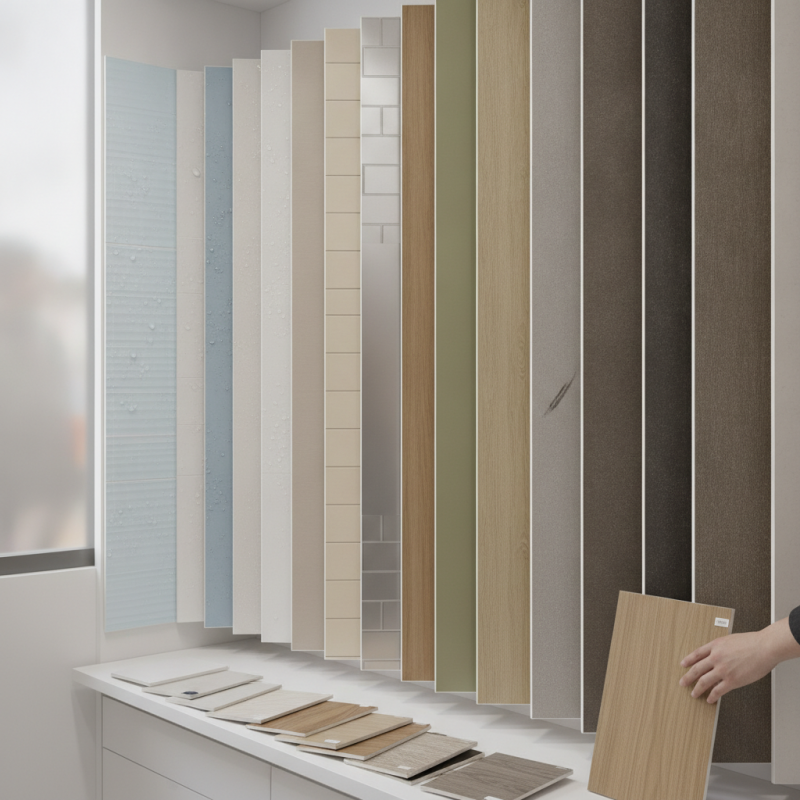
Understanding the Different Types of Plastic Wall Panels Available
When selecting plastic wall panels, understanding the various options is crucial. There are several types available, each offering unique advantages. For instance,
PVC panels are known for their durability and ease of maintenance. They are water-resistant and perfect for areas prone to moisture, such as bathrooms and kitchens. However, some users find these panels can look less appealing in high-end environments.
Acrylic panels, on the other hand, can provide a sleek and modern aesthetic. They offer great light transmission, resembling glass but are much lighter. Yet, they may scratch more easily than other materials. It's important to consider where and how you plan to use these panels. Sometimes, the choice of panel impacts the overall ambiance and functionality of a space.
Another option is composite panels, which combine plastic with other materials to enhance strength. They might require more installation expertise, depending on the structure. While they can be cost-effective in the long run, this might not translate to easy installation. Users often reflect on the trade-offs between cost, look, and functionality when making their choice.
Evaluating the Durability and Maintenance Requirements of Plastic Panels
When selecting plastic wall panels, durability and maintenance are crucial factors to consider. Research indicates that many plastic panels can withstand extreme conditions. For instance, panels made from
high-density polyethylene (HDPE) showcase impressive resistance to moisture and UV rays. This makes them ideal for areas prone to humidity, such as
bathrooms and kitchens.
However, not all plastic wall panels are created equal. Some options may scratch easily or fade over time. A study by the American Society for Testing and Materials (ASTM) revealed that some low-quality panels only last
5-7 years under average conditions. In contrast, premium panels can last over
20 years with proper care. It's important to assess cleaning requirements as well. Certain panels require special cleaners to maintain their appearance, which may increase long-term costs.
Choosing the right panels involves evaluating both durability and maintenance needs. Look for panels with warranties that reflect their lifespan. A panel with a ten-year warranty likely indicates higher durability compared to a
one-year warranty option. Ultimately, understanding these factors will help you make a more informed decision while navigating the diverse market options.
Assessing Aesthetic Options: Colors, Textures, and Finishes
When selecting plastic wall panels, aesthetic options play a crucial role. Colors greatly influence mood and perception. Neutral tones like white or beige create a calming effect. Bold shades, such as vibrant reds or blues, can energize a space. According to a 2022 industry report, 75% of designers prefer using colors that complement existing decor. This choice enhances harmony and coherence in design.
Textures are another vital consideration. Smooth finishes are often chosen for contemporary styles, while embossed patterns add depth and interest. A textured wall panel can create a sense of luxury in commercial spaces. Research indicates that 60% of consumers believe texture significantly impacts their overall satisfaction with interior design. However, it's worth noting that overly intricate textures can make maintenance challenging, leading to a potential trade-off.
Finishes, including matte or glossy options, also affect the aesthetic appeal. Glossy finishes reflect light, making rooms appear larger. Conversely, matte finishes provide a softer, more understated look. A survey found that 55% of homeowners prefer matte finishes for living areas, valuing their warmth. Ultimately, the choice of colors, textures, and finishes should align with personal tastes and functional requirements. Balancing aesthetics with practical considerations can be a complex yet rewarding process.
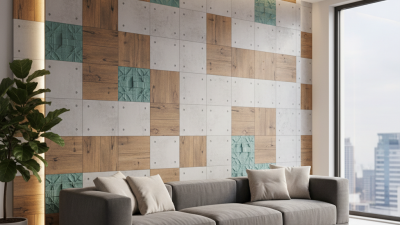
Choosing the Best Plastic Wall Panels: Aesthetic Options
Determining Installation Methods and Technical Considerations
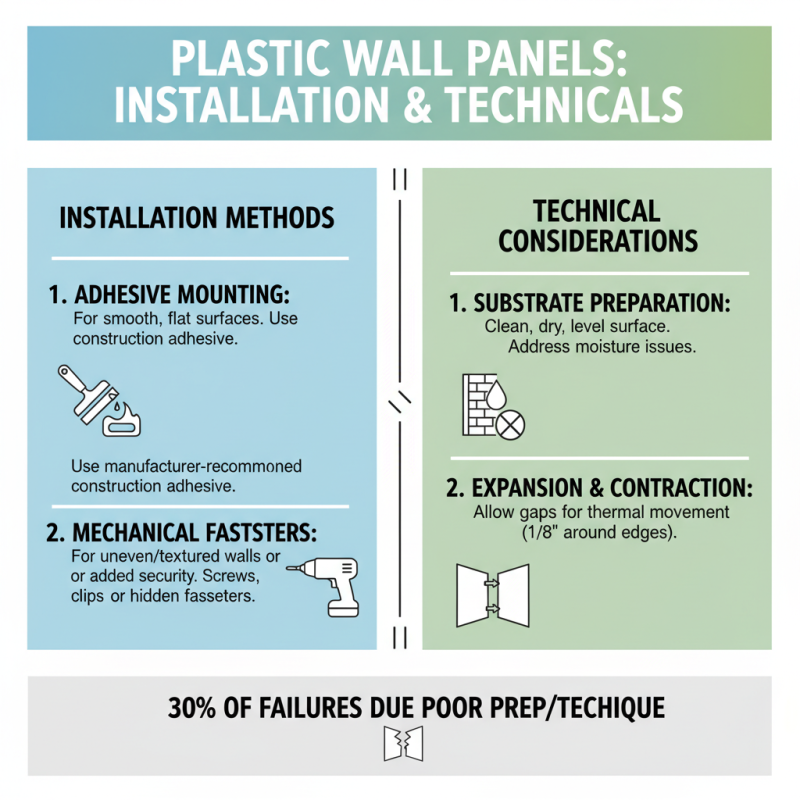
When selecting plastic wall panels, installation methods and technical considerations play a critical role. Understanding these aspects can significantly impact the longevity and functionality of your project. For instance, improper installation may lead to issues like warping or detachment over time. According to industry reports, nearly 30% of installation failures arise from inadequate preparation and technique.
Choosing the right installation method involves various factors, including the type of surface and panel material. Some panels require adhesive while others may use fastening systems. A study found that panels secured with mechanical fasteners showed a 40% longer lifespan compared to adhesive-only installations. Additionally, technical specifications, such as thermal expansion and contraction properties, should not be overlooked. Panels that cannot accommodate environmental changes may crack or become dislodged.
Considerations like humidity levels and wall preparation are also key. Panels installed in high-moisture areas need extra attention. Although many recommend moisture-resistant types, reports suggest that 25% of projects fail due to overlooking these environmental factors. Reflecting on installation choices can enhance the overall effectiveness of plastic wall panels.
Budgeting for Plastic Wall Panels: Cost Analysis and Value Comparison
When budgeting for plastic wall panels, it’s essential to evaluate quality and cost. Plastic wall panels can range from budget-friendly options to higher-end selections. Assess your needs carefully. Basic panels might seem appealing due to a lower price tag, but they might not resist wear and tear as well as others. Cheap options can lead to higher long-term expenses due to replacements or repairs.
Consider the materials and thickness of the panels. Thicker panels often cost more but enhance durability and resistance. This proves beneficial in high-traffic areas. Analyze the long-term value of your choice. Investing more upfront might save money in the future. However, if the budget is tight, weighing the pros and cons of different options is crucial.
Lastly, remember to include any additional costs. Installation may require professional help. This can add to your overall expenses. Sometimes, DIY options appear appealing, yet they require skill and time. Balancing cost, installation, and panel quality will allow for a satisfactory choice. Reflect on these aspects to ensure you make a wise investment.