How to Choose the Best Plastic Cladding Sheets for Your Project?
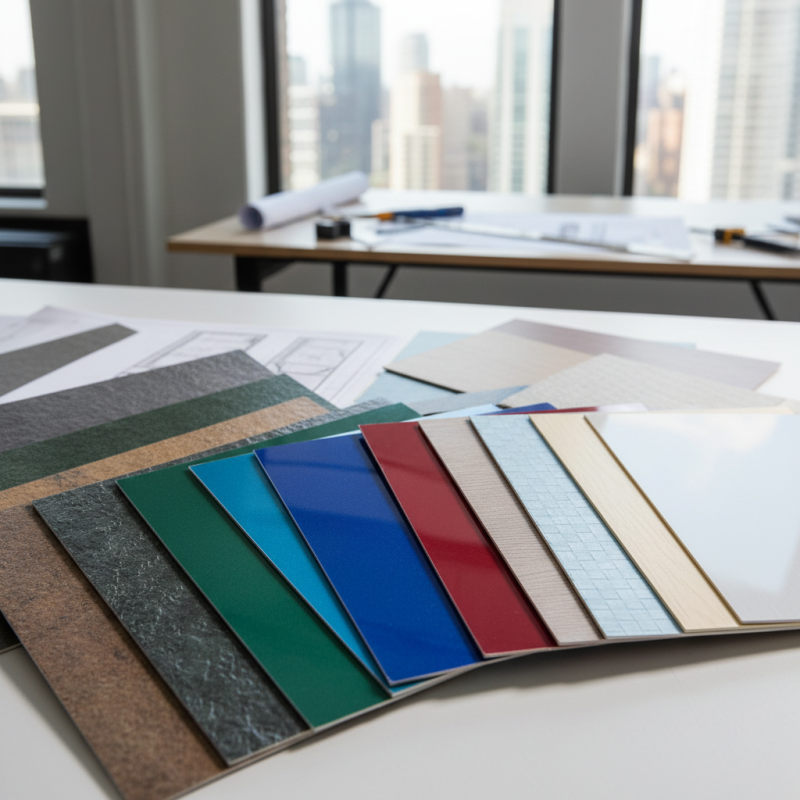
Choosing the right materials for your project is essential. Plastic cladding sheets can be a great option to consider. They come in various colors, textures, and finishes. This versatility makes them suitable for many applications, from building exteriors to interior design.
When selecting plastic cladding sheets, think about purpose and durability. Not all products will meet the same needs. Some sheets may resist UV rays better than others. Additionally, weight and ease of installation are vital factors. A heavy sheet might require more support than a lightweight one.
Don't forget about aesthetics and maintenance. A beautiful, vibrant color can enhance a design, but it might fade over time. Reflections on these choices can reveal what truly suits your project. In the end, the best plastic cladding sheets should balance style, function, and sustainability.
Types of Plastic Cladding Sheets and Their Applications in Construction
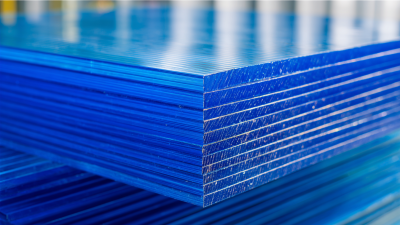
When selecting plastic cladding sheets, understanding the types available is essential. There are several options, including polycarbonate, PVC, and acrylic sheets. Each type has unique features. Polycarbonate sheets are known for their durability and resistance to impact. They are ideal for applications involving sports facilities or greenhouses. PVC sheets, on the other hand, are lightweight and cost-effective. They are often used in interior and exterior wall coverings.
Acrylic sheets offer excellent transparency and UV resistance, making them suitable for decorative facades and signage. These sheets can enhance aesthetic appeal while providing functional benefits. However, the choice between these materials can be tricky. The installation process might vary, leading to potential challenges if the right type is not chosen.
Consider your specific project needs carefully. Evaluate the environment the cladding will face. Moisture, sunlight, and temperature fluctuations can all affect material performance. Some materials may warp or discolor under harsh conditions. Be sure to research properly before making a decision. Reflect on your long-term goals for the building as well.
Key Factors to Consider When Selecting Plastic Cladding Materials
When selecting plastic cladding sheets for your project, it’s essential to consider several key factors. Durability is crucial; you want materials that withstand weather changes and resist fading. Look for sheets designed to endure UV rays. Thicker sheets generally offer better strength and resistance to impact. This ensures your investment lasts over time.
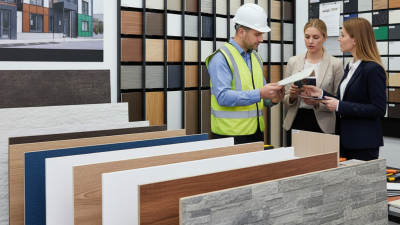
Another aspect is the aesthetic appeal. Choose colors and textures that complement your design. The right finish can enhance the overall look of your project. Some options mimic natural materials, which can be appealing. However, ensure that the color choice works with the surrounding environment. A clash can detract from your vision.
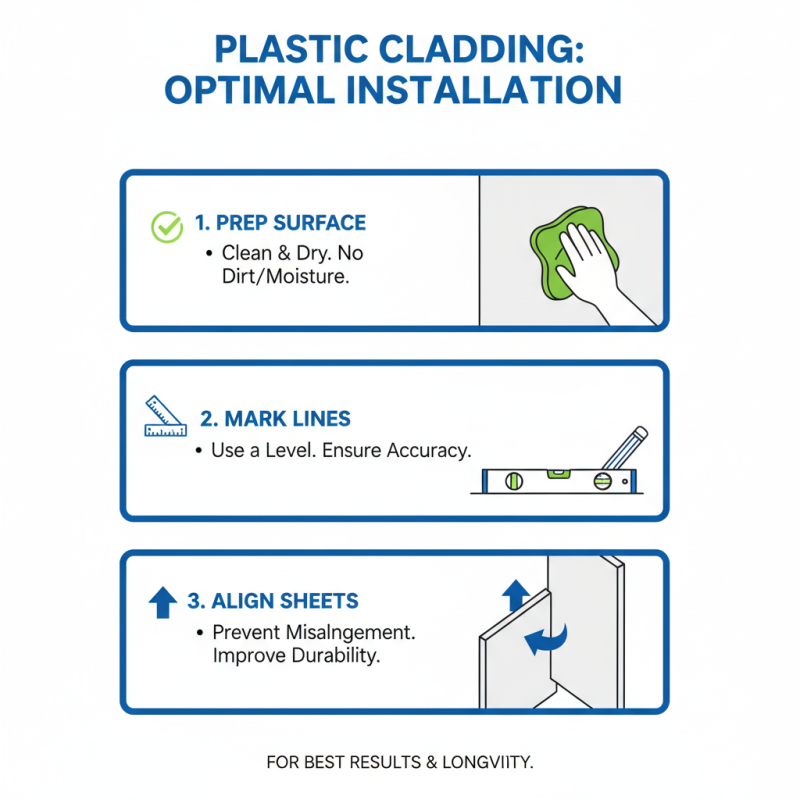
Lastly, consider the ease of installation. Some cladding materials are lightweight and simple to handle. Others may require specialized tools or professional help. If you're on a budget, choose sheets that you can install yourself. Make a plan and prepare for potential challenges. Miscalculations may happen, but they can be overcome with flexibility and creative solutions.
Comparative Analysis of Durability and Weather Resistance in Plastic Sheets
When selecting plastic cladding sheets, durability and weather resistance are paramount. Different types of plastic sheets have varied strengths. Some resist UV rays better, while others are tougher against impacts. You might think all are the same, but they aren't.
Consider polycarbonate sheets. They offer high impact resistance but can scratch easily. On the other hand, acrylic sheets are lightweight and clear but may become brittle over time. It's crucial to understand these differences. The right choice can enhance your project's longevity.
**Tips:** Always check the manufacturer's specifications for durability ratings. Test samples in your environment. Pay attention to how different materials react to heat or cold. Small decisions can lead to big changes in your outcome.
Remember, not all materials will meet your expectations. Reflect on your needs and test the sheets before large purchases. You want a balance between aesthetics and function. Each project will have unique climatic demands.
Cost-Effectiveness: Budgeting for Plastic Cladding Projects and ROI
When considering plastic cladding sheets for your project, budgeting is crucial. Start by calculating the total costs. This includes material, installation, and maintenance expenses. Often, the initial purchase price can be enticing, but don’t overlook long-term costs. Some cheaper options may not endure well against weather and UV damage, requiring early replacement.
ROI is an important factor as well. Evaluate the potential increase in property value after cladding installation. Consider durability, aesthetic appeal, and insulation benefits. A well-chosen product can lower energy bills and enhance comfort. Yet, you may still face unexpected issues, like color fading or warping. It's wise to choose materials with good warranties to mitigate risks.
Investing in quality plastic cladding sheets can pay off over time. However, balancing quality with budget is tricky. You might find the best deal, only to be disappointed later. Reflect on your choices. Planning thorough research ensures that financial decisions align with project goals. The goal isn't just to save money but to invest wisely in your project.