When it comes to renovating or upgrading your bathroom, one vital aspect that often gets overlooked is the ceiling. The right choice of Bathroom Ceiling Cladding can significantly enhance both the aesthetics and functionality of your space. With the advancements in design and material options, there is a plethora of choices available in 2025 that cater to diverse tastes and requirements. This guide will help you navigate through the myriad of options, ensuring you choose a cladding that not only complements your bathroom design but also withstands the unique challenges of high humidity environments.
Bathroom Ceiling Cladding serves multiple purposes: it protects the structural elements of your home from moisture damage, contributes to the overall insulation, and plays a pivotal role in setting the mood of the room. Whether you are drawn to the sleek elegance of vinyl, the rustic charm of wood, or the modern appeal of PVC panels, understanding the pros and cons of each material will empower you to make an informed choice. In this comprehensive guide, we will explore various cladding materials, their benefits, and tips for selecting the perfect style that will breathe new life into your bathroom while ensuring longevity and ease of maintenance.
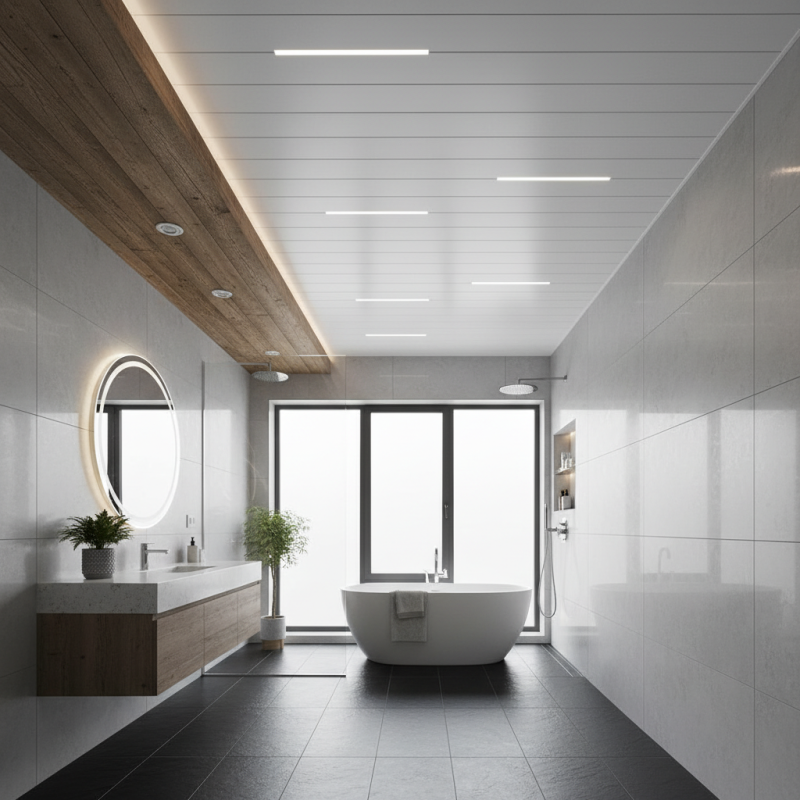
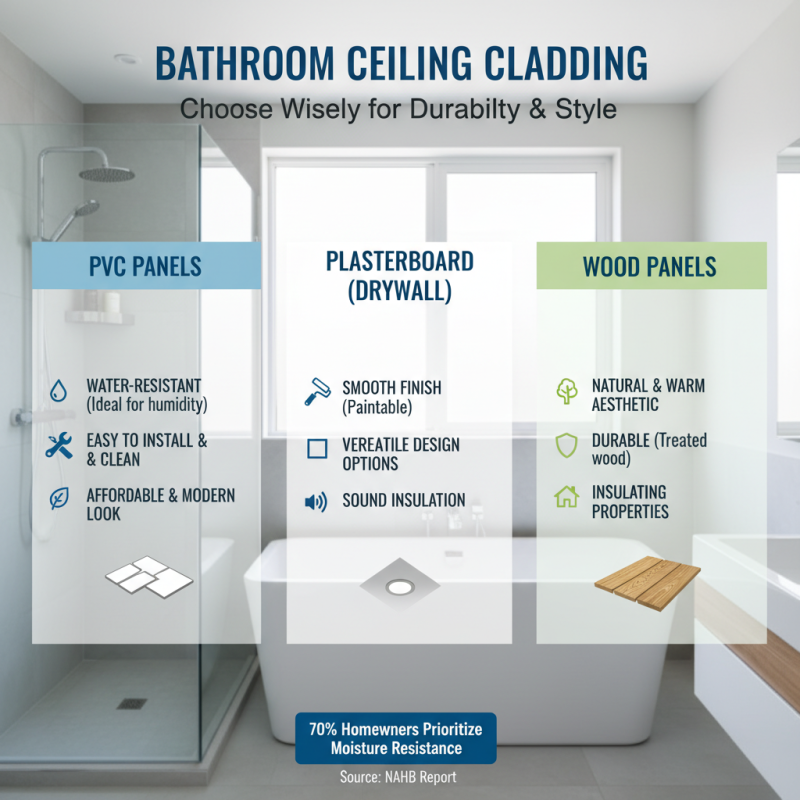
When considering bathroom ceiling cladding, it is essential to understand the various options available and their respective benefits. Common materials include PVC, plasterboard, and wood, each offering unique traits that cater to different aesthetic and functional needs. PVC, for example, is gaining popularity due to its water-resistant properties, making it an ideal choice for a high-humidity environment like a bathroom. According to a report by the National Association of Home Builders, nearly 70% of homeowners prioritize moisture resistance when selecting bathroom materials, highlighting the demand for durable cladding solutions.
Plasterboard remains a traditional option, favored for its excellent insulating properties and smooth finish, which can be painted or decorated to suit any style. However, it may not perform as well in moisture-rich environments unless treated. A study published by the Journal of Building Research indicates that improper installation of plasterboard in bathrooms can lead to mold growth, with around 25% of bathroom renovations requiring mitigation of such issues within the first five years. In contrast, wood cladding offers a warm, natural look but requires regular maintenance and treatment to prevent rot in humid conditions, which might not align with some homeowners’ low-maintenance goals.
In recent years, innovative ceiling cladding solutions, including aluminum and composite materials, have emerged, combining aesthetics with enhanced performance. These materials are increasingly recognized for their longevity and ease of installation, as nearly 45% of contractors report a preference for lightweight, easy-to-handle options that can reduce labor time. With the rise in eco-conscious consumers, sustainable materials are becoming more sought after, driving the market toward options that provide both beauty and environmental benefits. As renovation trends continue to evolve, understanding these options is crucial for achieving the perfect bathroom look while ensuring practicality and longevity.
When selecting bathroom ceiling cladding, understanding the key materials available and their respective pros and cons is essential. Vinyl panels are a popular choice due to their moisture resistance and ease of maintenance. They are lightweight and can be easily installed, making them suitable for DIY enthusiasts. However, while vinyl is budget-friendly and available in various finishes, it may not provide the level of durability or aesthetic appeal found in more robust materials.
Another option is plasterboard, which offers a smooth and customizable surface ideal for painting or applying decorative finishes. Plasterboard has excellent sound-proofing properties and can be a cost-effective solution if you are looking for a classic look. On the downside, it is less resistant to moisture compared to other materials, requiring careful sealing or additional treatment to prevent mildew and decay in a humid environment like a bathroom.
For those seeking a more upscale option, consider using wood panels or tongue-and-groove systems. Wood can add warmth and character to the bathroom, but it requires proper treatment to withstand moisture, as untreated wood is prone to warping and rotting. Additionally, wood can be more challenging to maintain and might necessitate refinishing over time, which could increase long-term costs. By weighing these materials' benefits and drawbacks, homeowners can make an informed decision that suits both their aesthetic preferences and practical needs.
When choosing ceiling cladding for your bathroom, there are several factors you should consider to ensure both functionality and aesthetics. First and foremost, moisture resistance is critical, as bathrooms are typically high-humidity areas. Look for materials that can withstand moisture, such as PVC or composite panels, which are not only durable but also prevent mold and mildew growth. Additionally, examine the ease of installation and maintenance. Some cladding options can be installed quickly and require minimal upkeep, making them ideal for busy households.
Another important aspect is the design and style of the cladding. Your choice should complement the overall decor of the bathroom while enhancing its visual appeal. Whether you prefer a modern look with sleek panels or a more traditional vibe with textured finishes, ensure that the material aligns with your personal taste and the existing design elements. Furthermore, consider insulation properties, as adequate insulation can help regulate temperature and reduce energy costs. Ultimately, carefully weighing these factors will lead you to the best ceiling cladding option that meets both your practical needs and aesthetic preferences.
When it comes to choosing bathroom ceiling cladding, understanding the installation techniques for various materials is crucial for achieving a professional finish. For instance, vinyl panels can be installed directly onto the existing ceiling structure. This process usually involves adhesive and may require minimal framing, making it a quick and cost-effective solution. Proper surface preparation is vital, ensuring that the ceiling is clean, dry, and free from mold to allow for optimal adhesion.
In contrast, if you're opting for wood or MDF panels, the installation process will differ. These materials require a stronger support system, often involving the use of battens. First, the battens should be securely attached to the ceiling joists to create a grid-like framework. Following this, the panels are then fastened to the battens using screws or nails. This method provides stability and allows for precise adjustments during installation. Additionally, sealing the joints and edges is essential to prevent moisture damage, making it crucial to choose appropriate sealing agents tailored for bathroom conditions.
Ultimately, the choice of installation method can significantly impact both the aesthetic and durability of your bathroom ceiling cladding, so it's important to consider the specific requirements of the material you choose.
When selecting bathroom ceiling cladding options, it's essential to consider maintenance and care for longevity. Regular cleaning can significantly extend the life of your bathroom ceiling. According to industry reports, ceilings that are cleaned every month can last up to 25% longer than those that are neglected. For instance, using a mild detergent mixed with warm water is effective in removing mold and mildew, common issues in humid environments like bathrooms.
Tips: To maintain your bathroom ceiling, ensure proper ventilation to minimize moisture build-up. Installing a good exhaust fan can reduce the risk of mold, which can compromise both the aesthetic and structural integrity of your ceiling cladding.
Additionally, checking for any signs of water damage regularly can help catch issues before they escalate. Report data shows that minor repairs conducted early can save homeowners up to 50% on potential replacement costs. Aim to inspect your ceiling once every few months, focusing on any dark spots or peeling paint which could indicate underlying problems. Keeping these factors in mind will help you enjoy a beautiful and durable bathroom ceiling for years to come.